
The Art of Everyday Luxury: How Small Details Transform Your Everyday Life
· 6 min read
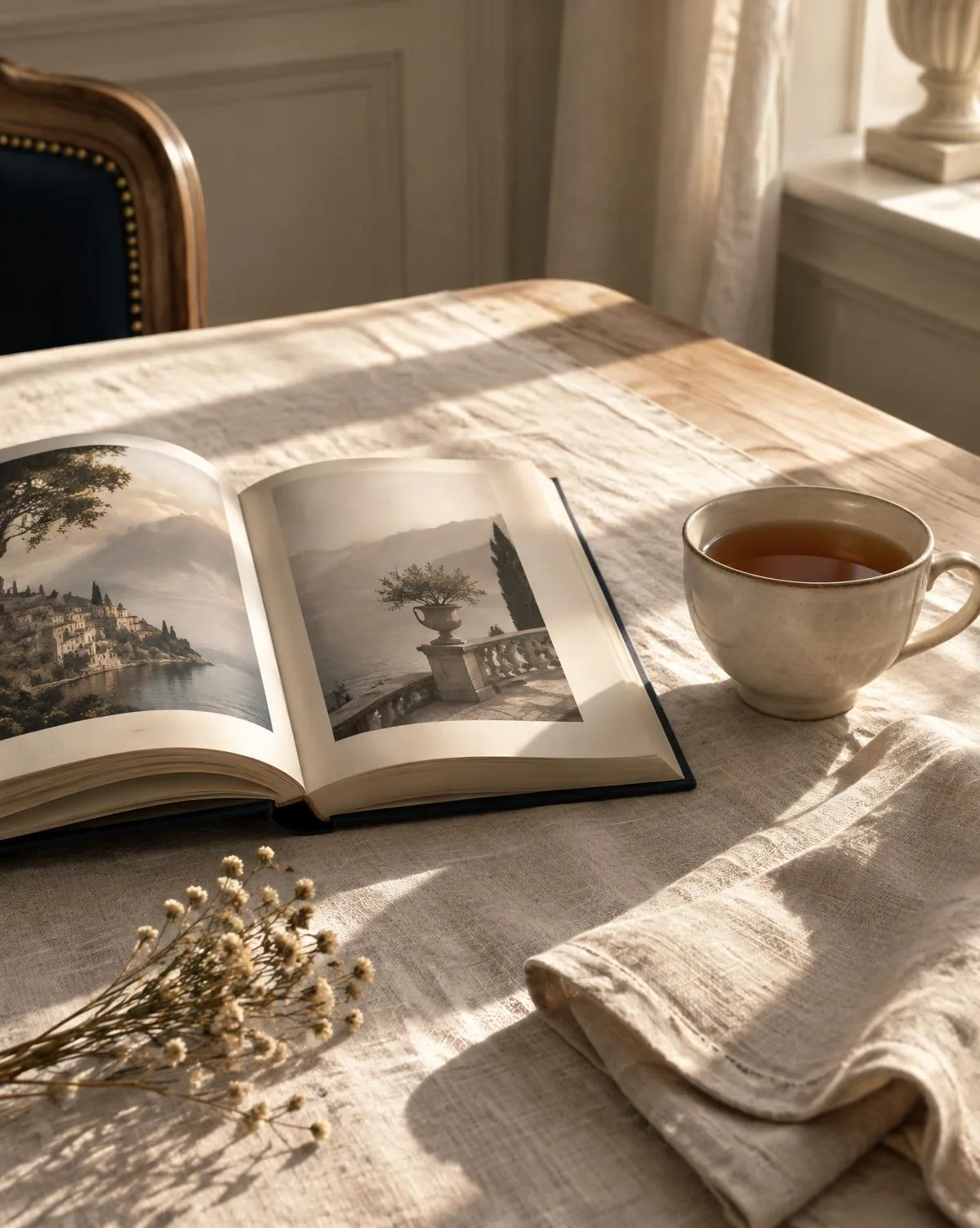
Everyday luxury is rarely about expense. It lives in attention: the order of a morning, the feel of a well-made object, the atmosphere of a room you return to.
Luxury is often imagined as something occasional: a celebration, a journey, a purchase made after long consideration. Yet the experiences that shape how we feel are usually quieter and far more frequent. The first coffee of the morning. The drive to work. The moment you open the door at the end of the day. Everyday luxury is the practice of giving those ordinary moments a little more care.
It has little to do with price. It is about attention: choosing fewer, better things, arranging them with intention, and noticing how small details change the way a day feels. What follows are practical ways to bring that sensibility into daily life.
What Everyday Luxury Really Means
Understated luxury values quality over display. A well-cut coat without a visible logo, a simple ceramic cup that sits well in the hand, a room with nothing in it that does not belong. The pleasure is personal rather than performative: it is felt by the person living with it, not announced to others.
Seen this way, everyday luxury is less a style than a habit of mind. It asks a simple question of each routine and each object: could this be done, or chosen, with a little more thought?
Begin With Rituals, Not Purchases
The most refined routines are often the simplest. A ritual differs from a task only in the attention given to it. Making tea becomes a ritual when you warm the pot first, choose the cup deliberately and take the first sip without a screen in front of you.
Mornings
Prepare the evening before: clothes chosen, the desk cleared, the kitchen left in order. Waking into a calm space sets a different tone from waking into yesterday's clutter. Open a window, let in natural light, and give the first ten minutes to something unhurried.
Evenings
Mark the end of the working day clearly. Change the lighting from bright overhead light to lower, warmer lamps. Put work away out of sight. A small, consistent signal tells the mind that the day has shifted.
The Objects You Touch Every Day
The things used most often deserve the most consideration, because they are experienced hundreds of times. A few examples worth reviewing:
- A pen that writes smoothly and feels balanced in the hand.
- Bed linen in a natural fibre you genuinely enjoy sleeping in.
- A single good knife rather than a drawer of mediocre ones.
- A leather wallet or card holder that ages gracefully with use.
- Glassware and cups chosen for how they feel, not only how they look.
Replacing one everyday object with a better one is a small decision, but it is repeated every time that object is used.
Atmosphere: The Detail You Feel Before You Notice
Atmosphere is made of things we rarely name: light, sound, temperature, order and fragrance. When they are in balance, a space simply feels right. When one is out of place, we feel unsettled without always knowing why.
- Light: favour several soft sources at different heights over one bright ceiling light.
- Sound: reduce background noise where you can, and choose music deliberately rather than by habit.
- Order: keep surfaces mostly clear, so the objects that remain are seen properly.
- Texture: natural materials such as wood, linen, wool and stone add warmth without adding clutter.
Fragrance as a Quiet Signature
Fragrance is one of the most personal elements of atmosphere. A well-chosen fragrance gives a space a recognisable character, whether that space is a study, a living room or a car you spend part of every day in. The principle is restraint: a fragrance should be noticed on entering and then settle into the background.
Choose by mood rather than by trend. Warm, enveloping notes such as vanilla and amber suit relaxed evenings and softer interiors. Fresh, bright notes such as citrus, bergamot and vetiver feel clear and energising. Aromatic notes such as lavender bring a calmer, more composed feeling. You can explore these families across the Valenza & Co. collection.
If you prefer something warm, Vanilla — Saint-Tropez pairs vanilla with smoked amber and warm woods. For something crisp and fresh, Sauvage — Paris combines bright citrus with earthy vetiver.
Spaces in Motion
Many people spend a meaningful part of their week in a car, yet it is rarely treated as a space worth considering. The same principles apply: keep it orderly, remove what does not belong, and give it a fragrance you enjoy returning to. A daily commute will not become a grand tour, but it can feel more composed.
A Philosophy of Restraint
At Valenza & Co., this way of thinking shapes everything we make: fragrance designed with the same restraint and attention given to the spaces it inhabits. You can read more about the ideas behind the house in Our Story.
Conclusion: Luxury as Attention
Everyday luxury is not achieved in a single gesture. It accumulates through small, repeated choices: a calmer morning, a better object, softer light, a fragrance that feels like your own. None of these changes is dramatic on its own. Together, they turn ordinary days into something more considered, and that is perhaps the most lasting form of luxury there is.
Designed with elegance
Explore five fragrances composed for vehicles, homes and beyond.
Explore the Collection